0

Fake CAPTCHA Scam: How to Spot It and Protect Your Data

Fake CAPTCHA Scam: How to Spot It and Protect Your Data

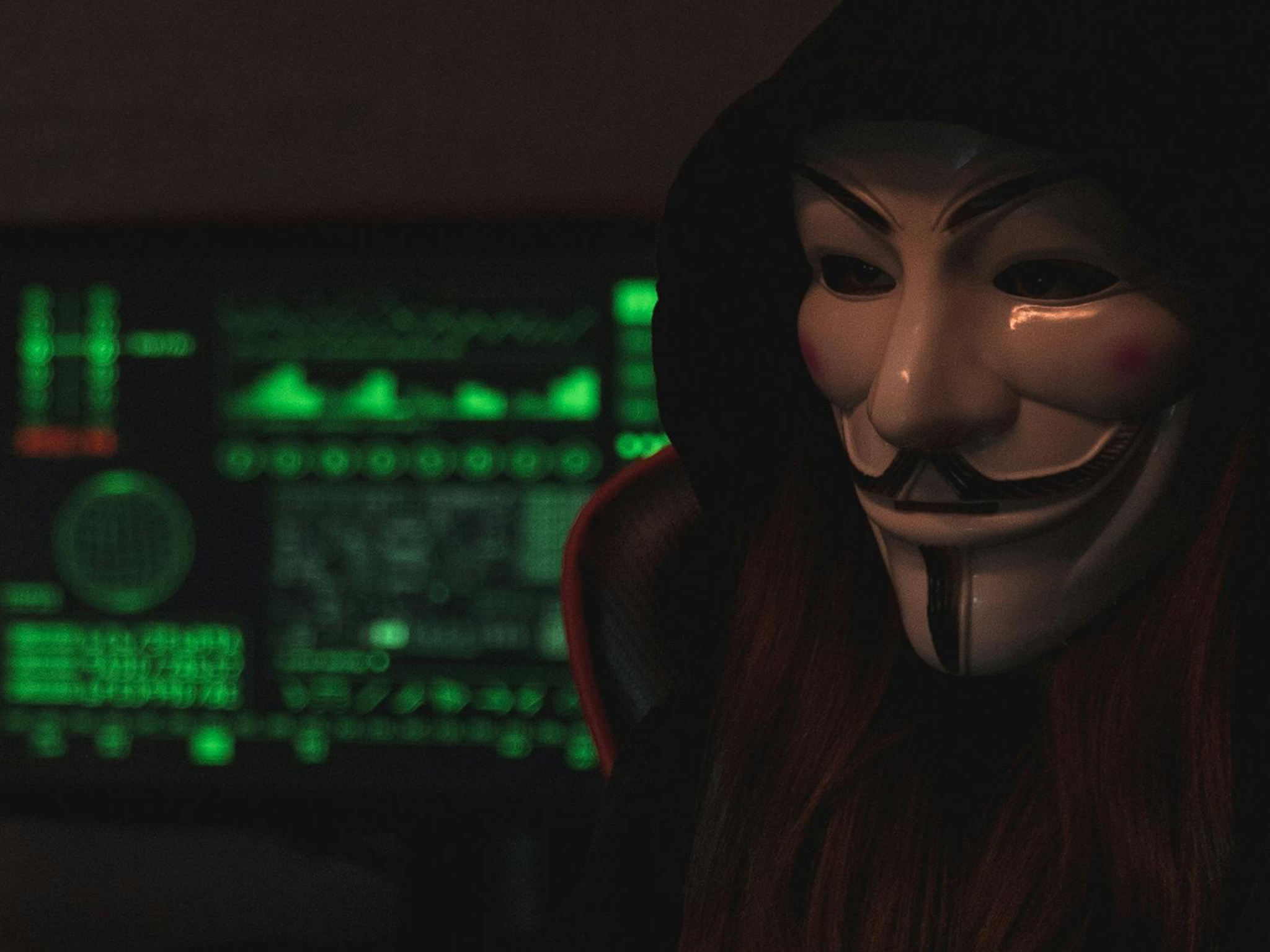
The "I’m not a robot" checkbox, once a universal symbol of online security, is increasingly being weaponised by cybercriminals to deceive unsuspecting users. These "Fake CAPTCHA" scams exploit our familiar habits, mimicking legitimate verification tools to trick people into running malicious commands or downloading "information stealer" malware.

Author : Donald Wright

By creating a false sense of urgency or providing "step-by-step" help videos, attackers bypass traditional security software by convincing the user to manually bypass their own system protections.

To stay protected, it is vital to recognise that legitimate CAPTCHAs, like Google reCAPTCHA or hCaptcha, will never ask you to paste code into a terminal, download a file, or use keyboard shortcuts like Windows + R to verify your identity. Awareness is the first line of defence; if a verification process feels unusual or asks for system-level interaction, you should close the page immediately. Beyond digital vigilance, securing your most sensitive information offline using iStorage | Kanguru hardware-encrypted drives provides a critical safety net. These AES 256-bit encrypted solutions ensure that even if a system is compromised by malware, your essential data remains physically isolated and protected from unauthorised access.

Read the full blog on Kanguru.com

iStorage | Kanguru

At iStorage | Kanguru, we understand the pressure organisations face as they prepare for the UK Cyber Security and Resilience Bill. As a global leader in government-validated, hardware-encrypted data storage and cloud security, we provide the tools needed to meet the UK’s highest security standards. Our products are trusted by governments and major corporations worldwide, providing military-grade encryption that helps you comply with strict regulations like GDPR.

Our hardware-encrypted devices, including the datAshur PRO+C and diskAshur PRO3, secure your data directly on the hardware itself using dedicated security engines. With AES 256-bit encryption and PIN-based authentication, these devices keep your information safe whether it is sitting on a desk or in transit across the country. Because the encryption works independently of any computer software, your data remains protected even if a device is used on an unmanaged or compromised system. This aligns perfectly with the Bill’s focus on maintaining data integrity and confidentiality across every endpoint in your business.

For organisations that need a bird’s-eye view of their security, we offer enterprise-grade solutions like the Kanguru Defender Elite30 and SSD350. These devices work alongside the Kanguru Remote Management Console, giving your IT team the power to enforce security policies, monitor compliance and even remote-wipe a device if it is lost or stolen. This level of visibility makes it much easier to prove ongoing governance to regulators, which is a key requirement under the new legislation.

By choosing iStorage | Kanguru, you are doing more than just buying a storage device. You are implementing a practical, auditable strategy to protect your most sensitive information across your entire supply chain. Our solutions give you the confidence that you can meet the tough expectations of the Cyber Security and Resilience Bill while strengthening your overall business resilience.

If you are ready to take control of your data security, speak to one of our representatives today to find the right fit for your organisation.

You may also be interested in

Check out our latest blog posts.

Fortifying UK Cyber Defences

Fortifying UK Cyber Defences

The UK’s cybersecurity rules just received a massive upgrade. The recently introduced UK Cyber Security and Resilience Bill is not just a minor update to the 2018 regulations. It is a complete overhaul of how the country protects its critical services. If your business provides essential services or supports them through a digital supply chain, the goalposts have moved. This Bill introduces much stricter rules for reporting incidents and puts a major spotlight on supply chain security. Organisations have to treat cyber risk and responsibility as a core part of their operations, not just an IT issue. Identifying your compliance gaps early will the better prepare you for when these rules come into force.

Author: Shannon Dority, Marketing Manager iStorage

The Changing Compliance Landscape

The rules under the previous 2018 Network and Information Systems Regulations were relatively narrow. They mainly applied to large operators in specific sectors like energy, transport, water and healthcare. If a disruption in these areas could cripple the economy or society, those companies had to take specific technical steps to manage risk and report incidents. However, many businesses supporting these giants in a third-party capacity remained largely unregulated.

The new Bill changes that by acknowledging that modern digital ecosystems have wide layers of connections to sufficiently operate. Rather than solely focusing solely on the frontline operators, the legislation now reaches further into the supply chain. Managed Service Providers (MSPs) offering IT support, monitoring or security services are likely to fall within the new scope. This also applies to data centres, cloud providers and any supplier deemed critical to the continuity of an essential service.

This represents a major change for many technology providers and outsourced firms. Many companies that previously had no direct legislative duties will need to prove they have strong cyber risk assessments, secure configurations and rapid incident response plans in place. Cybersecurity can no longer be treated as a background task by senior leadership, and regulators will be given stronger powers to enforce these standards. It will become a core strategic responsibility that must be demonstrated and documented across the entire business.

A Strategic Responsibility and Risk Shift

The Bill profoundly changes in how cyber risk is managed across the entire organisational for many businesses. Cybersecurity is no longer solely just the responsibility of the IT team, but also for those at board-level where senior leadership is held directly accountable for ensuring that security policies are strong and consistently applied. Cyber risk will need to be woven into every strategic decision, from how you choose new suppliers to your internal audit processes. The new Bill sets a much higher standard for incident response. If a significant breach occurs, the clock starts immediately: you have just 24 hours to alert the authorities, and only 72 hours to provide a full account of the incident.

When managing an emergency, meeting these deadlines is nearly impossible without a pre-verified plan. The stakes here go beyond simple compliance missing these marks can lead to substantial financial penalties and long-term reputational damage that is far harder to repair than the initial breach itself. Regulators, including the Information Commissioner’s Office, will also have broader powers to assess risks and enforce compliance, aiming to identify vulnerabilities before they escalate into widespread disruption. Cyber management within your organisation must be transparent, auditable and fully integrated into your daily operations.

Extending Protection Beyond Your Network

A central focus of the UK Cyber Security and Resilience Bill is security with the supply chain. Organisations are now expected to look beyond their own internal systems and consider the resilience of every product and service they depend on. This includes a wide range of third parties, such as IT support providers, cloud hosts, software vendors and other technology partners. The Bill acknowledges that a single vulnerability in one of these providers can have a domino effect, potentially impacting multiple sectors at once.

Under this new legislation, regulators have the power to designate certain suppliers as critical. This occurs when the failure of that supplier could realistically cripple an essential service. Third-party suppliers must meet the same strict cybersecurity standards as the major organisations they provide their services to. This broadens risk management to cover your entire digital ecosystem, not just what happens within the walls of your organisation.

The change is particularly critical for the healthcare, energy and financial sectors, where a single vulnerable vendor could trigger a national-level crisis. Organisations will need to take a proactive approach to partner oversight, carrying out regular audits, checking security certifications, and embedding clear security requirements into every contract. This will help minimise the risk of a breach travelling through the supply chain before it reaches your own network.

For organisations across the private and public sectors, what was once considered voluntary best practice is now becoming a legally enforceable duty. Those within scope will need to conduct thorough risk assessments that cover both internal systems and third-party suppliers. It is required to implement measures that keep sensitive data secure, even when it’s processed outside your own protected systems. Failure to meet these obligations could lead to significant fines and other sanctions, aligning cyber law more closely with the strict penalties already enforced under the UK GDPR.

Portable and Remote Security

A frequently overlooked aspect in any cybersecurity strategy is, ‘what happens to sensitive data once it leaves the relative safety of your office network?’ Many organisations pour time and money into firewalls and perimeter defences, however portable devices and remote endpoints can still present an easy access point for attackers. The Bill is intended to tackle this head on, making sure data stays protected across the whole organisation’s ecosystem, from mobile workforces to third-party environments.

Saying data is secure simply because it’s encrypted on a central server is no longer sufficient. You now need to be able to demonstrate that it remains protected wherever it’s stored, transferred or processed. Portable devices such as USB flash drives and external hard drives are part of everyday working life; whether for system backups, software updates or field-based tasks. The difficulty is that they are also easy to misplace or steal. One unencrypted drive in the wrong hands can quickly lead to a serious data breach, with significant legal, financial, and reputational consequences.

Hardware-encrypted storage offers a straightforward and reliable way to meet these new regulatory expectations. Unlike software-based encryption, which depends on the security of the computer it’s connected to, hardware-encrypted devices have their own dedicated security processors built in. That means the encryption keys never leave the device itself and can’t be captured by malware on a laptop or PC. If a drive is lost or stolen, the data on it remains unreadable and secure. With features such as integrated PIN authentication and tamper-resistant casings, you can be confident that portable data stays out of reach of unauthorised users.

Beyond basic protection, hardware-encrypted storage can also play a key role in audit readiness and strengthening supply chain security. Providing these devices to field teams and contractors helps ensure that sensitive information is handled securely from start to finish, rather than relying on ad hoc measures. Taking this kind of proactive stance gives you clear, demonstrable evidence for regulators that you’re accepting responsibility for data integrity at every stage of its lifecycle. In this new legislative landscape, hardware encryption is not just a convenience, but a significant component of a compliant and resilient cybersecurity programme.

Strengthening Organisational Cyber Resilience

With the introduction of the UK Cyber Security and Resilience Bill, the UK is significantly raising the bar for organisational security. The scope has expanded, and the oversight on supply chains has tightened, meaning peripheral vulnerabilities, like portable drives and remote endpoints, are now under the regulatory microscope.

Protecting data "where it resides" is the new mandate. Hardware-encrypted storage provides a reliable, plug-and-play way to meet these statutory requirements. Because these devices feature built-in PIN authentication and dedicated encryption chips that operate independently of the OS, they offer a layer of protection that software simply cannot match. If a device is used on an unmanaged or infected system, the encryption keys are never exposed, effectively neutralising the risk of unauthorised access.

Beyond the hardware itself, the strategic value lies in consistency. Rolling out these solutions to contractors and field teams ensures your security posture remains uniform, even outside your primary network. In an era of 24-hour incident reporting and heavy financial penalties, integrating hardware encryption into your risk management strategy is a practical step toward long-term digital resilience.

iStorage | Kanguru

At iStorage | Kanguru, we understand the pressure organisations face as they prepare for the UK Cyber Security and Resilience Bill. As a global leader in government-validated, hardware-encrypted data storage and cloud security, we provide the tools needed to meet the UK’s highest security standards. Our products are trusted by governments and major corporations worldwide, providing military-grade encryption that helps you comply with strict regulations like GDPR.

Our hardware-encrypted devices, including the datAshur PRO+C and diskAshur PRO3, secure your data directly on the hardware itself using dedicated security engines. With AES 256-bit encryption and PIN-based authentication, these devices keep your information safe whether it is sitting on a desk or in transit across the country. Because the encryption works independently of any computer software, your data remains protected even if a device is used on an unmanaged or compromised system. This aligns perfectly with the Bill’s focus on maintaining data integrity and confidentiality across every endpoint in your business.

For organisations that need a bird’s-eye view of their security, we offer enterprise-grade solutions like the Kanguru Defender Elite30 and SSD350. These devices work alongside the Kanguru Remote Management Console, giving your IT team the power to enforce security policies, monitor compliance and even remote-wipe a device if it is lost or stolen. This level of visibility makes it much easier to prove ongoing governance to regulators, which is a key requirement under the new legislation.

By choosing iStorage | Kanguru, you are doing more than just buying a storage device. You are implementing a practical, auditable strategy to protect your most sensitive information across your entire supply chain. Our solutions give you the confidence that you can meet the tough expectations of the Cyber Security and Resilience Bill while strengthening your overall business resilience.

If you are ready to take control of your data security, speak to one of our representatives today to find the right fit for your organisation.

You may also be interested in

Check out our latest blog posts.

Stealing Jewels, Stealing Data

Stealing Jewels, Stealing Data

On a crisp morning in October 2025, the Louvre Museum in Paris opened its doors to the public as usual. Within minutes, however, thieves executed a daring heist that stunned the world. Priceless Napoleon-era jewels vanished, leaving only broken glass, abandoned tools, and a trail of questions. The crown jewels, some nearly 200 years old, were taken in what appeared to be a perfectly choreographed operation lasting less than ten minutes. The audacity and precision of the robbery sent shockwaves worldwide, highlighting the vulnerability of even the most iconic institutions. The calculated nature of the theft also reflects the methods of modern cybercriminals, who rely on stealth, precision and the exploitation of overlooked weaknesses to breach seemingly secure environments.

Author: Shannon Dority, Marketing Manager iStorage

The stolen items were not merely valuable in monetary terms; they represented centuries of French history and culture. Among them were an emerald and diamond necklace belonging to Empress Marie Louise and a diamond-studded diadem of Empress Eugénie, both symbols of imperial heritage. The loss was therefore deeply symbolic as well as financial, prompting questions about how such treasures could be taken with apparent ease. The Louvre’s security protocols came under intense scrutiny, revealing gaps that had been overlooked despite the museum’s international reputation for safety and vigilance.

Beyond the immediate shock, the heist also offers a lesson for the modern digital world. The strategies employed by the thieves, including careful planning, exploiting weaknesses, moving quickly and quietly, and covering their tracks, mirror the tactics of cybercriminals. In many ways, the Louvre heist can be read as a masterclass in high-stakes theft, offering insights into how physical and digital crimes follow remarkably similar principles. Examining these parallels provides a clearer understanding of both traditional security failures and the threats facing organisations in the cyber age.

The Day the Louvre Was Breached

The thieves targeted the Galerie d’Apollon, a gallery renowned for housing some of France’s most treasured jewels. They disguised themselves as maintenance workers, allowing them to approach the first-floor balcony unnoticed. Using a lift truck, they gained access to the gallery, avoided security cameras, and carried out their operation with remarkable precision. Within minutes, display cases were smashed, the jewels seized, and the intruders had vanished on scooters, leaving very little physical evidence behind.

Among the stolen treasures were some of the Louvre’s most historically significant pieces. The haul included the emerald and diamond necklace of Empress Marie Louise and the diamond-studded diadem of Empress Eugénie, along with several other priceless brooches, earrings, and ornaments. While the financial value was estimated at around €88 million, the symbolic and cultural loss to France and the world was immeasurable.

In the weeks that followed, investigators moved quickly, resulting in a number of arrests, yet many of the jewels remain missing. The heist exposed vulnerabilities in one of the world’s most famous museums, from gaps in surveillance coverage to outdated security protocols. Beyond the immediate drama, the robbery serves as a stark reminder that even the most prestigious institutions are not immune to theft, and that both physical and organisational security measures require constant review and improvement.

A Cyber Analogy of the Heist

At first glance, cybercrime and a physical jewel heist appear to have little in common. One occurs in the intangible realm of networks and data, while the other unfolds in a marble gallery surrounded by centuries of history. Yet beneath the surface, the principles guiding both are remarkably similar. Both rely on careful observation, preparation, and an understanding of the environment they are targeting. Just as thieves study security cameras and guard routines before breaking into a museum, hackers meticulously probe networks, identify vulnerabilities, and research their targets before launching an attack.

The tools used by cybercriminals may be virtual, but their purpose mirrors the implements of traditional thieves. Malware, ransomware, and phishing kits serve the same role as drills, angle grinders, and disguises, allowing intruders to bypass security measures and access highly protected assets. Success often depends on timing and precision. A cyberattack can unfold in mere minutes, exploiting a brief window before intrusion detection systems react, much like a heist executed swiftly to avoid alerting guards. In both cases, even a small misstep can compromise the entire operation.

Stealth is another shared hallmark. Just as jewel thieves cover their tracks to avoid leaving evidence, cybercriminals erase logs, mask IP addresses, and quietly extract sensitive data. The goal in both arenas is to remain undetected long enough to achieve the objective and escape. Viewed this way, cybercrime can be understood as the Louvre heist translated into ones and zeros, a digital reflection of the same strategies of planning, skill, and opportunism that have guided thieves for centuries.

The Art of Stealthy Theft

The first striking parallel between the Louvre heist and modern cybercrime is target selection. The thieves chose the Galerie d’Apollon for its high-value jewels, seeking items that were both financially priceless and culturally significant. Similarly, most sophisticated cybercriminals do not attack random systems. They focus on high-value targets such as banks, corporations holding sensitive intellectual property, or government databases, where a successful breach offers maximum reward with minimum effort. In both cases, understanding the value of the target and its vulnerabilities is essential before any action is taken.

Planning and reconnaissance form the next common thread. At the Louvre, the thieves studied security cameras, guard rotations, and entry points to ensure a smooth execution. In the digital realm, hackers conduct detailed reconnaissance as well, scanning networks for vulnerabilities, testing employee susceptibility to phishing, and mapping out system architecture. Both physical and cybercriminals rely heavily on intelligence gathering to identify weak points and minimise risk, recognising that success is rarely achieved through brute force alone.

Execution, speed, and stealth are critical in both domains. The Louvre thieves moved quickly, bypassing cameras, smashing display cases, and escaping on scooters before anyone could intervene, leaving minimal evidence behind. Cybercriminals operate in much the same way, deploying malware or ransomware swiftly, covering digital tracks by deleting logs, masking IP addresses, and quietly exfiltrating data. In both scenarios, any hesitation or error can lead to detection and failure. Ultimately, the Louvre heist can be read as a physical blueprint for cybercrime, demonstrating that the strategies of high-stakes theft, including careful planning, targeted execution, and concealment, are universal whether the prize is jewels or data.

Lessons from a Masterful Theft

The Louvre heist is far more than a sensational news story; it serves as a cautionary tale for anyone responsible for protecting valuable assets, whether physical or digital. One of the key lessons is that no system is invulnerable. Even institutions with centuries of prestige and reputation, such as the Louvre, can have gaps in security. Cybersecurity is no different. Organisations must accept that vulnerabilities exist and that regular assessments and updates are essential to minimise risk.

Reconnaissance and intelligence gathering are equally crucial. The thieves succeeded because they understood the layout of the gallery, the patterns of guards, and the blind spots in surveillance. In the digital world, hackers apply the same principle by studying networks, identifying weaknesses, and planning their attack meticulously. This demonstrates that understanding the target is often more powerful than relying solely on brute force or reactive measures. Speed and stealth remain key components of a successful breach. Just as the Louvre thieves executed their operation quickly and quietly, cybercriminals rely on rapid deployment and careful concealment to avoid detection and maximise their chances of success.

The heist also highlights the importance of layered defences and proactive prevention. Relying on a single security measure, whether a guard or a firewall, is rarely sufficient. Multiple layers of protection reduce the likelihood of a successful attack and provide opportunities to detect and respond to intrusions. Finally, recovery is often extremely difficult. Once the jewels are stolen or data is exfiltrated, it may be unrecoverable. This reinforces the principle that prevention is always preferable to attempting to remedy a breach after the fact. By learning from the strategies and failures evident in the Louvre heist, organisations can strengthen their cybersecurity practices and better protect their most valuable assets.

Protecting Treasures, Physical and Digital

Imagine the Louvre as a modern corporate network. The crown jewels become sensitive data or intellectual property, cameras act as firewalls, guards represent intrusion detection systems, lift trucks and ladders mirror malware or phishing kits, and scooters function as VPNs and anonymising tools. Viewed in this way, the 2025 heist reads almost like a blueprint for a high-level cyberattack. Each step of the robbery has a digital equivalent, and the stakes, both financial and reputational, are strikingly similar.

The Louvre heist demonstrates that theft, whether physical or digital, follows predictable strategies. Attackers focus on high-value targets, gather intelligence, exploit weaknesses, move quickly, and conceal their tracks. These principles apply equally to jewel thieves and cybercriminals, making the lessons from the robbery highly relevant to organisations protecting digital assets.

The next time a data breach makes the headlines, picture the Louvre: a high-security fortress momentarily outwitted, with priceless treasures at stake. Cybersecurity, like museum security, is never complete. Vigilance, layered defences, and proactive planning are essential to reducing risk and safeguarding what is most valuable, whether in a gallery or on a network.

Guard Your Cyber Treasures

The 2025 Louvre heist offers more than a dramatic story of stolen treasures; it provides a striking metaphor for the way we protect our digital assets. Imagine your sensitive data as a collection of priceless jewels, each piece representing critical files, intellectual property, or personal information. Leaving this data connected to the internet without safeguards is like leaving a crown of diamonds out on display in the Galerie d’Apollon with no guards or cameras. Just as the thieves exploited weaknesses in the Louvre’s security, cybercriminals hunt for gaps in networks and devices, ready to seize what is left exposed.

Offline storage is the digital equivalent of locking your treasures in a secure vault out of reach. By keeping sensitive information on devices that are completely disconnected from the internet, such as USB drives, external hard drives, or even physical backups, you create a barrier that prevents remote attackers from gaining access. In the same way that the Louvre’s jewels were physically protected by display cases, guards, and cameras, offline storage shields your data from the constant threats that prowl online, including hacking, malware, and phishing. Removing data from the network reduces the opportunity for intrusion, making it significantly harder for cybercriminals to replicate the success of a Louvre-style heist in the digital world.

Encryption acts as an additional layer of protection, comparable to magically rendering your crown jewels invisible or indecipherable even if they fall into the wrong hands. By transforming data into a secure code that only authorised users can unlock, encryption ensures that stolen files are useless to any intruder. Whether applied directly to offline devices or to individual files before storage, strong encryption creates a nearly impenetrable barrier, protecting business data, personal information, and all other digital treasures. Just as the Louvre’s security systems were designed to deter thieves, offline storage and encryption work together to safeguard your assets, ensuring that even the cleverest cybercriminal cannot claim what is rightfully yours.

iStorage | Kanguru

We have a wide range of products that can suit those on a budget, with some of our hardware encrypted products starting at only £49, to desktop drives holding up to 30 TB to store both your personal and company’s most vital data in an ultra-secure, offline device.

Our datAshur PRO+C flash drive holds the distinction of being the world’s first flash drive to receive the FIPS 140-3 Level 3 certification! It is a user-friendly USB 3.2 (Gen 1) Type-C flash drive (Type-C to Type-A adapter included) that combines ease of use with top-level security measures. It employs PIN protection and hardware encryption to safeguard your data to military-grade standards. Available in various capacities ranging from 32GB to 512GB, this innovative device ensures your information remains secure.

Our diskAshur3 range boasts the most advanced security features, recently passed the CAVP (Cryptographic Algorithm Validation Program) testing as part of the FIPS 140-3 Level 3 validation scheme that the products are currently being evaluated against. This includes three encryption modes (patent pending), and user-configurable PINs ranging from 8 to 64 digits. The new range incorporates all the essential features of other iStorage products such as ease of use, platform independence and tamper-proof sleek designs.

Our latest products from Kanguru deliver a wide range of flash drives, hard drives, SSDs, NVMe and other ideal data storage products. Whether you are looking for the best military NATO grade, FIPS Certified, TAA Compliant, GDPR hardware encryption products and remote management for your high security organisation, or just a simple data storage solution for the home, Kanguru has many flexible options to choose from. Kanguru also specialises in duplicators for Hard Drives, SSD, NVMe, DVD, Blu-ray and USB duplication for all types of cloning jobs whether extensive, simple one-offs, or with secure erase for meeting GDPR standards.

If you are looking to take control of your data, speak to one of our company representatives now to see what would be best for you.

You may also be interested in

Check out our latest blog posts.

Avoid a Nightmare Before Christmas

Avoid a Nightmare Before Christmas

The festive season should be a time of joy sparkling lights and relaxed evenings rather than a time filled with stress about stolen data or fraudulent purchases. Unfortunately, this is also one of the busiest times of year for cyber criminals. As more of us shop from our phones and laptops, criminals take advantage of the distractions and excitement of the season to launch scams that can turn a magical season into a nightmare before Christmas.

Author: Shannon Dority, Marketing Manager iStorage

Shopping activities begin to increase long before December arrives. Retailers now launch major sales as early as the first week of November in the build up to Christmas shopping mayhem. Black Friday and Cyber Monday bring waves of promotions and limited time offers that encourage people to make quick decisions by tapping into the fear of missing out. This rush provides an ideal opening for criminals, as shoppers searching for bargains are more likely to click on links without checking them carefully.

By the time December arrives, shopping activity has reached its peak. Many people are buying presents, comparing deals and accepting digital offers without giving them a second thought. This makes it easier for scammers to slip through unnoticed by sending suspicious emails, creating fake shopping sites and disguising dangerous links as delivery updates or order confirmations. These messages often appear convincing because they mimic the style of genuine retailers and courier companies.

Travel during the festive period also increases the risk. People frequently use public wifi in airports, train stations and cafés, which is often unsafe. Quick purchases made on these networks can expose sensitive information to criminals. The combination of excitement, urgency, crowded shopping environments and the pressure of finding the perfect gift creates the ideal conditions for online criminals who are ready to exploit even a moment of distraction.

Keep the Cyber Grinch Out of Your Christmas

Taking a few simple but important measures can make all the difference during this busy festive season. By following this checklist and staying alert to the tricks that criminals use you can protect your information your money and your peace of mind. These small steps help you enjoy your celebrations without stress and ensure that your Christmas stays joyful rather than turning into a nightmare before the big day.

- Strong and unique passwords: Create a different password for every account and use a password manager to store them safely. This prevents criminals from accessing several accounts if one password is stolen.

- Two factor authentication: Turn on two factor authentication wherever it is offered. It adds a second step that keeps criminals out even if they obtain your password.

- Keep your devices updated: Install updates for your computer phone browser and apps. Updates fix security problems that criminals often try to exploit.

- Trusted and secure websites: Check for https in the address and look for the small padlock icon. Type website addresses directly rather than clicking links in emails and avoid sites that look suspicious or offer unbelievable deals.

- Safe use of wifi: Do not shop on public wifi as it is often unsafe. Use your mobile data or a trusted virtual private network instead.

- Safe payment methods: Use credit cards where possible because they usually offer stronger fraud protection. Digital wallets like Apple Pay or Google Pay keep your card details more secure.

- Watch for phishing scams: Be careful with messages that claim to be delivery updates or special offers. Do not click links unless you are certain the message is genuine. If unsure visit the retailer site directly through your browser.

- Check bank and card statements: Look through your statements regularly during December and January. Report any unfamiliar transactions to your bank straight away.

- Limit personal information: Provide only the information needed to complete your purchase. Avoid sites that ask for unnecessary or unusual details.

When an Elf Error Causes Trouble

Even with the best precautions mistakes can happen during the busy festive season. If you think you have clicked on a suspicious link shared personal information or spotted a transaction you do not recognise act quickly. Contact your bank or card provider immediately so they can freeze your card stop further payments or investigate any fraudulent activity. Change your passwords starting with your email banking and shopping accounts and switch on two factor authentication if it is not already enabled. It is also sensible to run a full antivirus scan on your devices to check for any harmful software if you opened an attachment or visited a suspicious site.

You should also report phishing messages fake websites or scam attempts to the appropriate authorities as this helps prevent other people from falling victim to the same tricks. Continue checking your bank statements and online accounts over the following weeks as some criminals wait before using stolen information. Above all do not feel embarrassed because scams are designed to catch anyone off guard especially at busy times of the year. Acting promptly and staying vigilant will help you regain control and protect your information for the rest of the festive season.

Give Your Data the Gift of Protection

Good online habits are important, but it is equally vital to think about how your information is protected away from the internet. Secure data storage solutions help ensure that sensitive information such as financial details, receipts and personal records remains protected even if someone gains access to your device. Storing important files in encrypted folders or on encrypted external drives makes them unreadable without the correct access key, which greatly reduces the risk of criminals viewing or stealing your data. Many modern devices include built in encryption settings that can be activated easily, keeping your information safe even if your phone or laptop is lost, stolen or accessed without permission.

Regular backups saved on secure encrypted drives also allow you to recover quickly in the event of malware, a scam or a device failure, ensuring that vital documents are never permanently lost. Taking these simple precautions strengthens both your online and offline security and helps keep your information safe throughout the busy festive shopping period.

iStorage | Kanguru

We have a wide range of products that can suit those on a budget, with some of our hardware encrypted products starting at only £49, to desktop drives holding up to 30 TB to store both your personal and company’s most vital data in an ultra-secure, offline device.

Our datAshur PRO+C flash drive holds the distinction of being the world’s first flash drive to receive the FIPS 140-3 Level 3 certification! It is a user-friendly USB 3.2 (Gen 1) Type-C flash drive (Type-C to Type-A adapter included) that combines ease of use with top-level security measures. It employs PIN protection and hardware encryption to safeguard your data to military-grade standards. Available in various capacities ranging from 32GB to 512GB, this innovative device ensures your information remains secure.

Our diskAshur3 range boasts the most advanced security features, recently passed the CAVP (Cryptographic Algorithm Validation Program) testing as part of the FIPS 140-3 Level 3 validation scheme that the products are currently being evaluated against. This includes three encryption modes (patent pending), and user-configurable PINs ranging from 8 to 64 digits. The new range incorporates all the essential features of other iStorage products such as ease of use, platform independence and tamper-proof sleek designs.

Our latest products from Kanguru deliver a wide range of flash drives, hard drives, SSDs, NVMe and other ideal data storage products. Whether you are looking for the best military NATO grade, FIPS Certified, TAA Compliant, GDPR hardware encryption products and remote management for your high security organisation, or just a simple data storage solution for the home, Kanguru has many flexible options to choose from. Kanguru also specialises in duplicators for Hard Drives, SSD, NVMe, DVD, Blu-ray and USB duplication for all types of cloning jobs whether extensive, simple one-offs, or with secure erase for meeting GDPR standards.

If you are looking to take control of your data, speak to one of our company representatives now to see what would be best for you.

You may also be interested in

Check out our latest blog posts.

Spells, Spirits & Secure Data Storage

Spells, Spirits & Secure Data Storage

As the nights grow longer and shadows creep closer, Halloween reminds us that not all threats are lurking in haunted houses or spooky forests. In the digital realm, your data faces its own ghosts and ghouls; cyber criminals, hackers, and prying eyes waiting to snatch your precious information. But just as you lock your doors on All Hallows Eve, you can secure your data with offline storage and encryption to keep it safe from the terrors of the internet.

Author: Shannon Dority, Marketing Manager iStorage

Beware the Cyber Monsters That Haunt Your Data

The frightening truth is that cyber threats are not just a spooky story for Halloween night. These monsters lurk in the shadows throughout the entire year, patiently waiting to strike when your guard is down. They are relentless and cunning, always evolving new tricks to catch you off guard. Understanding these digital fiends is the first step in keeping your data safe.

Here are some of the most notorious monsters you should be on the lookout for:

• Phishing: This is the vampire of the cyber world. Phishing attacks arrive disguised as harmless emails or messages from trusted sources, such as your bank or a colleague. They lure you in with urgent requests or tempting offers, only to sink their fangs into your personal information when you click on a malicious link or provide your credentials. Phishing can lead to identity theft, financial loss, or a breach of sensitive data. Always be wary of unexpected emails asking for private details and never trust links without verifying their source.

• Malware: The poltergeist of the digital domain, malware can infect your device without warning, lurking silently in the background or bursting out to cause chaos. This malicious software can steal your files, corrupt your system, or spy on your activities. It comes in many forms such as viruses, worms, and trojans, each with its own dark intent. Sometimes malware is hidden in innocent-looking downloads or attachments, making it especially dangerous.

• Ransomware: Perhaps the most terrifying of all, ransomware acts like a ghostly kidnapper who locks up your precious files and demands a hefty ransom to release them. Once infected, you may lose access to important documents, photos or business data, with the attacker holding the key hostage. Paying the ransom is risky, as there is no guarantee your files will be returned. Prevention and backup are your best weapons against this fearsome creature.

• Spyware: The unseen spectre silently watching over your shoulder, spyware collects your personal information without your knowledge. It records your browsing habits, passwords, and even confidential data, sending it back to cyber criminals. Spyware can be bundled with free software or sneak in through deceptive websites, making it difficult to detect until the damage is done.

These monsters do not vanish once October ends. They prowl the digital world every day, ready to exploit any weakness. That is why relying on just one form of protection is not enough. Offline storage and data encryption act like your silver bullets, garlic and holy water. Combining these strategies helps repel cyber monsters by making your data invisible and inaccessible to anyone without the right keys. By keeping your data physically separated from the internet and transforming it into unreadable code, you ensure that even if these monsters come knocking, they will find nothing but a locked crypt and an empty tomb.

Offline Storage: Your First Defence Against Digital Demons

Imagine your data as a priceless treasure chest full of precious gems and gold. Leaving it connected to the internet is like leaving that chest wide open in a dark alley, inviting thieves to come and steal whatever they please. Every moment your data is online, it is vulnerable to a variety of threats such as hacking attempts, phishing scams and malware infections. These threats can strike at any time, often without warning.

Offline storage means keeping your data on devices or media that are completely disconnected from the internet. This could be USB drives, external hard drives or even physical paper backups safely locked away in a secure place. Because these storage methods are not accessible remotely, they create a powerful barrier between your data and any cyber attackers lurking in the digital shadows. By storing your information offline, you significantly reduce the risk of falling victim to remote attacks. Cyber criminals rely on internet access to spread malware, launch phishing campaigns and break into systems. When your data is offline, it is as if it is hidden in a secret vault, inaccessible to anyone trying to reach it from afar. This makes offline storage one of the most effective and straightforward ways to protect your valuable information.

In addition to reducing the risk of hacking, offline storage also guards against accidental data loss caused by software errors or corrupted files that may spread through internet-connected devices. It provides a reliable backup that you can turn to in case of emergencies, such as ransomware attacks where online files may be encrypted or locked. Offline storage offers a ghost-proof hiding place for your data, keeping it safe from the unseen threats that prowl the internet day and night. It is an essential part of any strong data security strategy and the first line of defence in protecting your digital treasures.

Encrypt or Be Enchanted: Keeping Your Data Out of Evil Hands

But what if someone still finds your treasure chest? What if despite your best efforts to keep it hidden, an unwanted visitor manages to get their hands on your data? This is where encryption casts its powerful spell and truly comes into its own. Encryption is the process of transforming your data into a secret code that only authorised users can unlock and understand. Without the correct key, your information appears as a meaningless jumble of characters; gibberish that is utterly useless to anyone who should not see it. Think of encryption as a magical shield surrounding your treasure chest, making the contents invisible or indecipherable to all but those who hold the special key. Even if a cybercriminal steals your device or intercepts your files, encryption ensures they cannot make sense of the information contained within. This adds a critical layer of defence that works hand in hand with offline storage to keep your data secure.

There are many ways to use encryption. You can apply encryption software directly on your offline devices, protecting everything stored on them. Alternatively, you might choose to encrypt individual files before backing them up, so even if your backup media falls into the wrong hands, the data remains locked tight. The strength of encryption depends on the algorithms used and the complexity of the keys, but modern encryption methods are so robust that breaking them without authorisation is virtually impossible. Encryption is like the impenetrable walls of a haunted fortress, designed to repel any intruder. It not only protects sensitive personal information but also business data, confidential documents, and any other digital treasure you want to keep safe from prying eyes. Without encryption, your data is vulnerable, but with it, you hold the power to control exactly who can access your secrets.

In the ever-evolving world of cyber threats, encryption remains one of the most powerful tools in your security arsenal, turning your valuable data into an unbreakable spell that guards it against any dark forces trying to breach your defences.

Double the Spells: Offline Storage and Encryption for Wicked-Strong Protection

The most effective security rituals call for the combination of both offline storage and encryption. Each on its own provides strong protection, but together they form a powerful defence that is greater than the sum of its parts. Offline storage keeps your data physically separated from the internet and its many lurking dangers. By removing the connection to the web, you greatly reduce the chances of cyber-attacks such as hacking, phishing or the spread of malware.

However, no security measure is entirely foolproof on its own. That is why encryption is essential as the second line of defence. Even if your offline data storage device is lost, stolen or accessed without permission, encryption ensures that the information it contains remains unreadable and useless to anyone without the correct decryption key. It is like having a secret language that only you and authorised users understand, preventing cyber fiends from making sense of your data.

When offline storage and encryption are combined, they create a security charm that guards your sensitive information through every sinister season, not just at Halloween but all year round. This double layer of protection provides peace of mind knowing your data is both hidden from online threats and locked away in an unreadable form.

Routinely save your vital files onto offline devices and secure them with encryption. It also means maintaining strong, unique passwords and keeping your encryption keys secure. Together, these habits build a fortress around your data that even the most determined attackers will struggle to breach. By adopting this twofold approach, you ensure that your digital treasures are well protected against the monsters that haunt the internet, allowing you to enjoy your online and offline activities without fear of data loss or theft.

Tricks and Treats for Secure Data Storage

• Use strong and unique passwords for all your devices and encryption keys. Change them regularly to ensure that even if a password is compromised, your data remains secure. Avoid using easily guessable passwords such as birthdays or common words. Instead, opt for a combination of letters, numbers and symbols to create a complex and robust defence against cyber intruders.

• Store your backups in multiple physical locations. This practice helps protect your data from being lost due to accidents such as fires, floods or theft. Having copies of your important files in different places ensures that even if one backup is destroyed or misplaced, others will still be available for recovery. Consider using secure, locked cabinets or safety deposit boxes for added protection.

• Regularly update your encryption software and any security tools you use. Cyber criminals are constantly developing new methods to break through digital defences, so it is vital to keep your software up to date. Updates often include patches for newly discovered vulnerabilities, helping to safeguard your data against the latest threats and digital curses.

• Label your offline storage devices clearly but discreetly. This helps avoid confusion when accessing your backups and reduces the risk of accidental loss or misplacement. Use a simple coding system or symbols that only you understand to keep your data safe from prying eyes while maintaining easy identification.

This Halloween, as you prepare your costumes and carve your pumpkins, take a moment to protect your digital treasures. By combining offline secure data storage with powerful encryption, you can rest easy knowing that your secrets are safe from any cyber spectres lurking in the shadows.

Stay safe, stay spooky and keep your data locked tight!

iStorage | Kanguru

We have a wide range of products that can suit those on a budget, with some of our hardware encrypted products starting at only £49, to desktop drives holding up to 30 TB to store both your personal and company’s most vital data in an ultra-secure, offline device.

Our datAshur PRO+C flash drive holds the distinction of being the world’s sole flash drive that has received the FIPS 140-3 Level 3 certification! It is a user-friendly USB 3.2 (Gen 1) Type-C flash drive (Type-C to Type-A adapter included) that combines ease of use with top-level security measures. It employs PIN protection and hardware encryption to safeguard your data to military-grade standards. Available in various capacities ranging from 32GB to 512GB, this innovative device ensures your information remains secure.

Our diskAshur3 range boasts the most advanced security features, recently passed the CAVP (Cryptographic Algorithm Validation Program) testing as part of the FIPS 140-3 Level 3 validation scheme that the products are currently being evaluated against. This includes three encryption modes (patent pending), and user-configurable PINs ranging from 8 to 64 digits. The new range incorporates all the essential features of other iStorage products such as ease of use, platform independence and tamper-proof sleek designs.

Our latest products from Kanguru deliver a wide range of flash drives, hard drives, SSDs, NVMe and other ideal data storage products. Whether you are looking for the best military NATO grade, FIPS Certified, TAA Compliant, GDPR hardware encryption products and remote management for your high security organisation, or just a simple data storage solution for the home, Kanguru has many flexible options to choose from. Kanguru also specialises in duplicators for Hard Drives, SSD, NVMe, DVD, Blu-ray and USB duplication for all types of cloning jobs whether extensive, simple one-offs, or with secure erase for meeting GDPR standards.

If you are looking to take control of your data, speak to one of our company representatives now to see what would be best for you.

You may also be interested in

Check out our latest blog posts.

When the Cloud Falters: The AWS Outage as a Cautionary Tale

When the Cloud Falters: The AWS Outage as a Cautionary Tale

Author: Donald Wright, Marketing Manager, Kanguru

On 20 October 2025, a major outage at AWS’ US-East-1 region caused widespread service disruptions across gaming, smart-home, banking and other consumer applications; a stark reminder that cloud infrastructure, while resilient, is not infallible.

The outage highlights the value of maintaining offline or hybrid storage solutions: keeping critical data and systems on local or on-premises encrypted devices gives organisations more control, resilience and protection against cloud-provider failures and cascading dependency risks.

Read the full article here

You may also be interested in

Check out our latest blog posts.

Cyber Safety Starts at Home

Cyber Safety Starts at Home

Our homes have become hubs of digital devices, from smartphones and smart TVs to laptops, tablets, gaming consoles, and even voice assistants. The internet is part of daily life, whether it's watching cartoons, scrolling social media, managing finances, or video calling the grandkids. But with convenience comes risk, and cybercriminals know how to exploit people of all ages.

Author: Shannon Dority, Marketing Manager iStorage

Everyone in the household has a role to play in protecting personal data, devices, and privacy. Cybersecurity is not solely the responsibility of parents or the most tech-savvy person in the home, it requires collective awareness and action from all family members. In a modern household, people engage with technology in a variety of ways and for different purposes, whether it is streaming television, playing games, working remotely, shopping online, or keeping in touch with loved ones. Each activity brings its own potential risks.

Since every age group interacts with the digital world differently, it is important to understand how personality traits influence online behaviour. Young children may be naturally curious and inclined to click on bright ads or unfamiliar links. Teenagers, who are highly social and expressive, might overshare personal details or underestimate privacy settings. Adults are often focused on completing tasks quickly, which can lead to overlooking warning signs of a scam or phishing attempt. Older adults, who may be less familiar with newer technologies, are often more trusting and may be more vulnerable to online fraud or misleading communications.

Recognising these behavioural patterns allows families to approach online safety in a more personalised and effective way. Rather than relying on strict rules alone, households can build a culture of understanding and awareness. Cybersecurity should not be based on fear, but on confidence and education. When each person understands the specific risks that relate to how they use technology, the whole household becomes more secure and resilient in the digital world.

Kids (Ages 5–12): Curious, Imaginative, and Trusting

Young children in this age group are natural explorers. Their curiosity, imagination, and eagerness to learn make the internet an exciting place, filled with games, videos, and interactive content.

However, this same curiosity can lead them to click on links or engage with people without fully understanding the risks. They often take things at face value, which makes them more trusting of what they see or are told online. Bright colours, animations, and playful apps are particularly appealing to them, making them vulnerable to misleading ads, fake games, or unsafe content.

To support their online safety, it is important to guide children with clear, age-appropriate rules. Parents and carers should use child-friendly websites and apps, and set up strong parental controls to filter inappropriate content. Encouraging the habit of asking a trusted adult before clicking, downloading, or chatting online helps build early awareness. Creating simple rules such as “never share your name, school, or address” makes it easier for children to remember and follow safe practices. Keeping devices in shared spaces and having regular conversations about what they are doing online builds trust and encourages children to speak up if something does not feel right.

Teenagers (Ages 13–18): Independent, Social, and Risk-Taking

Teenagers are eager to explore their independence and carve out their own identity online. They use social media and messaging apps as spaces to connect with friends and express themselves freely.

This desire for freedom is an important part of growing up, but it also means they might take risks or overlook potential dangers in the digital world. Because they are still learning to navigate these spaces, teens may share personal information impulsively or engage with people they do not fully know. While exploring independence is natural and healthy, it is equally important for teens to understand how to stay safe and protect their privacy online.

Supporting teenagers in balancing independence with safety involves encouraging good digital habits, such as creating strong, unique passwords and being cautious about what they share. Teaching them to recognise scams, suspicious messages, and the consequences of oversharing helps them make informed decisions. Parents and carers should respect their teen’s need for privacy while maintaining open communication, showing interest in the platforms they use without being overbearing. By sharing real-world examples of online risks and encouraging thoughtful reflection, adults can empower teenagers to enjoy their digital freedom responsibly and safely.

Adults: Busy, Responsible, and Task-Focused

Adults often find themselves balancing multiple responsibilities such as work, managing household bills, and caring for family members. They rely heavily on digital tools to stay organised and productive, using technology for everything from shopping and banking to remote work and communication. However, the need for convenience and speed can sometimes lead to security being overlooked. It is common for adults to assume that software, apps, and online services are automatically safe, which unfortunately creates opportunities for cybercriminals to exploit gaps in security.

Scammers often target adults with realistic messages designed to create a strong sense of urgency. These may include emails claiming there has been suspicious activity on a bank account, or phone calls that warn of an account being suspended or a subscription being cancelled. Such messages frequently feature official-looking logos, familiar language and even correct-sounding caller IDs, all crafted to make the communication appear genuine. Adults who are busy and focused on completing tasks quickly may respond to these messages without taking time to question their authenticity, leading to the unintentional sharing of personal or financial information.

To protect themselves, adults should make small but effective changes to how they manage their digital lives. It is wise to take a moment to pause and consider any message before clicking links or entering personal information, even when the message appears to come from a trusted source. A bank, for example, will never ask for a password, PIN, or verification code by email or phone. Multi-factor authentication should be activated on email, banking, and shopping accounts to add an extra layer of protection in case a password is compromised. Public Wi-Fi networks should be avoided when making online purchases or accessing financial services. If absolutely necessary, using a virtual private network can help secure the connection. It is also important to be alert to small errors in emails or web addresses. Scammers may use a slightly altered address, such as swapping letters in a familiar brand name, to trick users into visiting fake websites.

Regularly backing up important files to a secure cloud storage or an external hard drive ensures that in the event of a cyberattack or malware infection, personal data is not permanently lost. In the workplace or when working from home, it is essential to lock computers and devices when unattended, avoid mixing personal and work devices, and be especially wary of emails pretending to be from human resources or IT departments. These often contain urgent requests that pressure the user to act quickly. Criminals rely on snap decisions, so developing the habit of thinking twice before acting can significantly reduce the risk of falling for a scam. Maintaining cautious and consistent digital habits protects not only your own information but also the safety and wellbeing of your entire household.

Seniors: Thoughtful, Trusting, and Community-Focused

Many older adults may feel less familiar with the fast-changing digital world, which unfortunately makes them frequent targets for scams and cybercrime. Seniors often place great value on personal connection and trust, qualities that online criminals frequently exploit through emotional manipulation. For example, messages may claim to come from family members, banks, or well-known companies, playing on the recipient’s sense of duty or concern. In their desire to stay connected and do the right thing, some seniors may unintentionally share private information, such as their address, account details, or passwords. At the same time, many older adults approach new technology with caution, and may feel unsure or anxious when faced with unfamiliar systems or requests, which can lead to hesitation or avoidance rather than active protection.

Scammers commonly use fear and urgency to pressure seniors into acting without thinking. This can include phone calls that claim to be from the bank warning of fraudulent transactions, or emails that pretend to be from a grandchild needing immediate financial help. Some scams involve pop-up windows on computers warning of a virus, along with a number to call for so-called technical support. Others may imitate streaming services or utility companies, threatening service interruption unless payment details are provided right away. These messages are often designed to create confusion and panic, hoping the recipient will act quickly without checking if the request is legitimate.

To help seniors stay safe, it is important to use clear and simple language when explaining how to spot a scam. For example, they should understand that a genuine bank will never ask for a PIN, password, or full security information through email or over the phone. Antivirus software should be installed on their devices, and someone trusted should assist with regular updates to keep their technology protected. Some older adults benefit from using a physical password book written in large print and kept in a secure location, while others may be comfortable using a password manager with help from a family member.

Families and caregivers can offer crucial support by providing patient guidance rather than criticism. Encouraging older adults to talk through any suspicious messages or phone calls before responding helps build confidence and awareness. It is also useful to go through examples of common scams together, discussing how to identify them and how to respond safely. Rather than feeling afraid of making a mistake, seniors should feel empowered to ask for help and take their time when something feels uncertain. By creating a calm and supportive environment, families can help older relatives feel more secure and confident in the digital world. Emotional pressure and fear are the tools that scammers use, but with the right support and knowledge, seniors can protect themselves and remain safely connected.

The Importance of Secure Offline Data Backups

One of the best ways to protect your family’s digital life from cybercriminals is by regularly backing up important data offline. While cloud storage offers convenience, having a separate, secure copy of your family’s valuable information such as important documents, family photos, videos, and other cherished files stored offline adds an extra layer of protection. Because offline backups are not connected to the internet, they remain safe from ransomware attacks, hacking attempts, or accidental deletion. In the event of a cyberattack or device failure, these backups ensure that your family’s most precious memories and essential documents are never lost.

Creating offline backups can be as simple as copying files to an external hard drive or USB stick and keeping it in a safe place like a locked drawer or fireproof box. It is important to update these backups regularly and test them to make sure data can be restored when needed. Encouraging every family member to value and maintain regular backups builds a safer digital environment at home. This proactive step provides peace of mind, knowing that even if something goes wrong online, the family’s irreplaceable memories and critical information remain protected.

Cybersecurity Is a Family Mindset

From curious children discovering the internet to digitally cautious grandparents, every family member has unique cybersecurity needs shaped by their personality and experience. The key to keeping a home safe online is understanding how each person approaches technology and providing them with the right tools, guidance, and conversations to support their digital habits. Whether someone is eager to explore, values independence, or prefers to take a cautious approach, recognising these differences helps create an environment where everyone feels confident and protected.

Good cybersecurity practices are more than just a list of rules to follow; they are a mindset that reflects how we think, behave, and interact with others online. Families can develop strong habits by talking regularly about online behaviour and current cyber threats, using shared tools like family password managers, centralised backups, and antivirus software, and approaching digital safety with curiosity rather than fear. Regular backups, including offline backups stored safely away from the internet, are essential for protecting valuable data and recovering from cyber incidents. When everyone learns together and supports one another, it builds trust and resilience, creating a home that is not only connected but truly secure.

iStorage | Kanguru

We have a wide range of products that can suit those on a budget, with some of our hardware encrypted products starting at only £49, to desktop drives holding up to 30 TB to store both your personal and company’s most vital data in an ultra-secure, offline device.

Our datAshur PRO+C flash drive holds the distinction of being the world’s sole flash drive that has received the FIPS 140-3 Level 3 certification! It is a user-friendly USB 3.2 (Gen 1) Type-C flash drive (Type-C to Type-A adapter included) that combines ease of use with top-level security measures. It employs PIN protection and hardware encryption to safeguard your data to military-grade standards. Available in various capacities ranging from 32GB to 512GB, this innovative device ensures your information remains secure.

Our diskAshur3 range boasts the most advanced security features, recently passed the CAVP (Cryptographic Algorithm Validation Program) testing as part of the FIPS 140-3 Level 3 validation scheme that the products are currently being evaluated against. This includes three encryption modes (patent pending), and user-configurable PINs ranging from 8 to 64 digits. The new range incorporates all the essential features of other iStorage products such as ease of use, platform independence and tamper-proof sleek designs.

Our latest products from Kanguru deliver a wide range of flash drives, hard drives, SSDs, NVMe and other ideal data storage products. Whether you are looking for the best military NATO grade, FIPS Certified, TAA Compliant, GDPR hardware encryption products and remote management for your high security organisation, or just a simple data storage solution for the home, Kanguru has many flexible options to choose from. Kanguru also specialises in duplicators for Hard Drives, SSD, NVMe, DVD, Blu-ray and USB duplication for all types of cloning jobs whether extensive, simple one-offs, or with secure erase for meeting GDPR standards.

If you are looking to take control of your data, speak to one of our company representatives now to see what would be best for you.

You may also be interested in

Check out our latest blog posts.

Strong Defences Against The Ransomware Surge

Strong Defences Against The Ransomware Surge

Ransomware is no longer a fringe threat; it has become a central weapon in the cybercriminal arsenal. In 2025 alone, we’ve seen alarming spikes in both the volume and sophistication of ransomware attacks, with devastating consequences for businesses, charities, and public services worldwide. These attacks are no longer rare or random; they’re frequent, targeted, and increasingly difficult to stop.

Author: Shannon Dority, Marketing Manager iStorage

While traditional defences like firewalls, antivirus software, and employee training remain essential, the surge in ransomware incidents highlights a critical truth; when an attack hits, the difference between recovery and ruin often comes down to the strength of an organisation’s backup strategy. That’s why more defenders are turning to a powerful yet often overlooked approach in the age of always-online systems, secure offline storage and device-level encryption. By keeping data physically disconnected and cryptographically protected, organisations can dramatically reduce the impact of even the most sophisticated ransomware attacks.

The Evolving Ransomware Landscape

According to Zscaler ThreatLabz, ransomware attempts blocked in their environment rose by 146% year over year; one of the sharpest spikes in recent memory. ZeroFox also recorded nearly 1,961 ransomware and digital extortion incidents in Q1 2025 alone, marking the highest quarterly total on record. This trend is consistent across the board. ThreatDown reported a 25% increase in ransomware attacks between mid 2024 and mid 2025, with many new groups entering the field and adopting more aggressive tactics. Even industrial sectors aren't immune. Honeywell’s cybersecurity research found a 46% jump in ransomware attacks targeting industrial operators in a single quarter, highlighting that operational technology (OT) and ICS environments are now squarely in the crosshairs.

Ransomware tactics are also evolving beyond simple file encryption. Increasingly, attackers are turning to double, and even triple-extortion, stealing sensitive data before encrypting it and then threatening to leak or sell the information if a ransom isn’t paid. In Q2 2025, Coveware reported that 74% of ransomware cases involved data exfiltration, with average ransom demands exceeding $1.13 million in some cases. Phishing has become the dominant entry point for these attacks. SpyCloud’s 2025 Identity Threat Report revealed that phishing-based incidents now account for 35% of ransomware infections, up 10 percentage points from the previous year. Attackers are also leveraging AI-enhanced phishing, polymorphic malware, and account takeover techniques to bypass traditional security tools and impersonate internal stakeholders in a very convincing manner.

At the same time, known vulnerabilities in enterprise software remain an open door for attackers. For instance, Oracle’s E-Business Suite recently had a remote code execution flaw exploited by ransomware groups, a reminder that unpatched systems continue to be low-hanging fruit for cybercriminals.

Ransomware in the Headlines

In April 2025, DaVita Inc., one of the largest providers of kidney dialysis services in the United States, experienced a significant ransomware incident that affected approximately 2.7 million individuals. The attackers encrypted certain elements of DaVita’s internal network and gained unauthorised access to a laboratory database containing sensitive personal and medical information. The exposed data included clinical details related to dialysis treatment, laboratory results, and identifiable personal information, raising serious concerns about patient privacy and regulatory compliance. Although essential dialysis services reportedly continued without interruption, the company launched a comprehensive remediation effort. In its second quarter financial results, DaVita reported incurring 13.5 million US dollars in costs related to the cyber incident. Of this amount, 12.5 million dollars was attributed to general and administrative expenses, including forensic investigation, cybersecurity upgrades, legal support, and customer assistance. An additional one million dollars was allocated to patient care, such as providing identity protection services and other support measures for affected individuals.

Asahi Group Holdings experienced a cyberattack in September 2025 that disrupted production at its six Japanese beer plants. The Qilin ransomware group claimed responsibility for the breach, stating they had stolen over 9,300 files, totalling approximately 27 gigabytes of data, including financial documents and employee information. The attack caused significant operational disruptions, resulting in a nationwide shortage of Asahi products. Analysts estimated losses between 1.5 and 2 billion yen per day during the peak of the disruption. Production partially resumed within days, and the company is working to restore full operations. The incident highlights the importance of robust cybersecurity measures to protect critical infrastructure.

In the same month, Kido, a UK-based international nursery chain, suffered a cyberattack that exposed the personal data of approximately 8,000 children. The breach involved highly sensitive information, including children’s photographs, medical records, personal details, and contact information for parents and guardians. The attackers infiltrated Kido’s systems and extracted this data before deploying ransomware to encrypt critical files and disrupt operations. The cybercriminals demanded a ransom of £100,000 in Bitcoin and threatened to release the stolen information publicly if the demands were not met. When Kido refused to pay, some of the data was leaked online. The attack caused significant operational disruption and raised serious concerns about data privacy. The incident also attracted scrutiny from UK data protection authorities and highlighted the risks faced by organisations handling highly sensitive personal information, especially those serving children.

The Escalating Consequences

Ransomware has become one of the most financially damaging and operationally disruptive threats facing organisations today. Despite the rising cost of ransom payments, recovery is far from assured. According to TechRadar, only 32 per cent of organisations that paid a ransom in 2024 successfully recovered their data, a steep drop from 54 per cent the previous year. This highlights a critical reality: paying criminals does not guarantee data restoration and often only serves to fund further attacks. Meanwhile, costs associated with investigation, legal action and reputational management continue to rise, even in cases where ransoms are not paid.

The impact is especially severe in sectors such as healthcare, manufacturing and logistics, where downtime can have life-threatening or widespread economic consequences. Even when critical services remain operational, the costs of remediation, regulatory compliance and stakeholder communication can be substantial. Projections from QBE Europe suggest that ransomware incidents will rise by another 40 per cent by 2026 as attackers become more organised, better funded and increasingly sophisticated. New tactics such as data exfiltration, targeted extortion, AI-powered phishing and social engineering are making traditional perimeter defences increasingly ineffective.

Beyond business disruption, the human cost of ransomware is becoming more apparent. Attacks on organisations that store sensitive personal data, such as nurseries or healthcare providers, have caused significant emotional distress and reputational harm. In many cases, stolen data has been leaked publicly or used to pressure victims directly. These consequences are avoidable. Strong device-level encryption and secure offline backups can prevent attackers from accessing usable data, even if systems are breached. Without such measures, organisations not only risk financial loss but also the trust and safety of the people they serve.

Government Measures and Stronger Defences Against Ransomware

Governments worldwide are increasingly stepping in to help combat the rising threat of ransomware, recognising that stronger legal frameworks are needed to protect critical services and reduce the financial incentives for cybercriminals. In the UK, the government is proposing new legislation to tackle ransomware by banning ransom payments within certain sectors. These proposals, developed by the Home Office in collaboration with the National Cyber Security Centre and other agencies, focus on preventing public sector bodies such as local councils, schools and NHS trusts, along with owners and operators of Critical National Infrastructure, from paying ransoms. For organisations outside this ban, a payment prevention regime would require notifying the government and possibly seeking guidance before making any payments. In addition, mandatory incident reporting would require victims to disclose ransomware attacks within a specified timeframe to improve law enforcement’s and government agencies’ ability to respond and understand the threat landscape.

The primary aim of this legislation is to reduce the financial incentives for cybercriminals by making ransomware payments less viable and deterring attacks on vital public services. It also seeks to improve national cybersecurity resilience through better data collection and threat intelligence sharing. However, while these goals are important, the proposals face several significant shortcomings. A strict ban on ransom payments may not always be practical, especially where backup systems fail or offline data archives are inadequate, potentially leading to prolonged service outages and harm to the public. Enforcement could prove difficult, and there is concern that attackers may escalate their tactics by leaking sensitive data or sabotaging systems if they cannot obtain payments. Furthermore, some organisations might attempt to make payments unofficially, undermining the law’s effectiveness.

Additional challenges arise around the scope and definitions within the legislation, such as which organisations qualify as Critical National Infrastructure and whether private companies providing essential public services would be included. The impact on the cyber insurance industry is also uncertain, as many policies currently cover ransom payments and may require revision, potentially affecting premiums and coverage. With the proposals still under public consultation as of late 2025, feedback remains mixed, reflecting support for stronger regulation but also concern over implementation difficulties, resilience gaps and unintended consequences that could arise without sufficient safeguards.

Secure encryption technology plays a crucial role in reducing the impact of ransomware attacks. By encrypting sensitive data at the device or file level, organisations can ensure that even if attackers gain access to systems, the stolen data remains inaccessible and unusable. This limits the attackers’ leverage, reduces the likelihood of extortion and supports compliance with data protection regulations. It also helps maintain trust with customers and stakeholders by safeguarding information from unauthorised access.

Offline data storage provides another vital line of defence. Maintaining backups that are physically separated from network-connected systems prevents ransomware from encrypting or deleting backup copies during an attack. This enables rapid recovery without relying on ransom payments and ensures business continuity in the event of an incident. Offline archives also serve as a trusted source for restoration in cases of hardware failure or malicious data loss. Together, encryption and offline backups form a powerful and practical defence strategy that complements legal measures and strengthens overall resilience.

The importance of these defences is recognised at the highest levels. In 2021, the White House issued a memo titled “What We Urge You To Do To Protect Against The Threat of Ransomware”, which offered clear guidance to business leaders on protecting against ransomware threats. Signed by the Deputy National Security Advisor for Cyber and Emerging Technology, the memo underscored that ransomware is not just an IT issue but a critical risk to business continuity and national security. It strongly recommended that organisations implement robust data encryption and secure offline backups to limit the damage of attacks and ensure faster recovery. The guidance highlighted that encrypted data holds little value for attackers, and that offline backups provide a reliable pathway to recovery without having to negotiate or pay ransoms.

Although the memo originated in the United States, the strategies it outlines are highly relevant to organisations around the world. They reflect internationally recognised best practice and align closely with the direction of current UK policy. The message is clear and urgent: encryption and offline storage are not optional enhancements but essential safeguards. Organisations that invest in these defences are not only better protected against ransomware but also better equipped to comply with regulation, defend public trust and ensure long-term operational stability.

Stronger Defences Beyond the Law

While legislation is an important step towards addressing the ransomware crisis, it alone will not deter determined cybercriminals. Criminal groups operate across international borders, often in jurisdictions where enforcement is limited or non-existent. They continuously adapt their tactics to bypass legal restrictions and exploit new vulnerabilities. Even with bans on ransom payments, attackers can resort to more aggressive methods such as data leaks, sabotage or targeting smaller organisations less able to resist. This means that relying solely on legal measures leaves organisations vulnerable and underscores the need for robust technical defences.

Secure encryption technology plays a crucial role in reducing the impact of ransomware attacks. By encrypting sensitive data at the device or file level, organisations can ensure that even if attackers gain access to systems, the stolen data remains inaccessible and unusable. This greatly diminishes the attackers’ leverage, reducing the likelihood of extortion or public data exposure. Encryption also supports compliance with data protection regulations and builds trust with customers and stakeholders by safeguarding their information from unauthorised access.

Offline data storage solutions provide another vital layer of protection. Maintaining backups that are physically disconnected from the network prevents ransomware from encrypting or deleting backup copies during an attack. This ensures that organisations can restore their systems and data quickly without succumbing to ransom demands. Offline archives also provide a reliable source for recovery in the event of malware or system failure, enabling business continuity and minimising operational disruption. Together, secure encryption and offline storage form a resilient defence that complements legal efforts, empowering organisations to withstand ransomware threats more effectively.

iStorage | Kanguru

We have a wide range of products that can suit those on a budget, with some of our hardware encrypted products starting at only £49, to desktop drives holding up to 30 TB to store both your personal and company’s most vital data in an ultra-secure, offline device.

Our datAshur PRO+C flash drive holds the distinction of being the world’s sole flash drive that has received the FIPS 140-3 Level 3 certification! It is a user-friendly USB 3.2 (Gen 1) Type-C flash drive (Type-C to Type-A adapter included) that combines ease of use with top-level security measures. It employs PIN protection and hardware encryption to safeguard your data to military-grade standards. Available in various capacities ranging from 32GB to 512GB, this innovative device ensures your information remains secure.

Our diskAshur3 range boasts the most advanced security features, recently passed the CAVP (Cryptographic Algorithm Validation Program) testing as part of the FIPS 140-3 Level 3 validation scheme that the products are currently being evaluated against. This includes three encryption modes (patent pending), and user-configurable PINs ranging from 8 to 64 digits. The new range incorporates all the essential features of other iStorage products such as ease of use, platform independence and tamper-proof sleek designs.

Our latest products from Kanguru deliver a wide range of flash drives, hard drives, SSDs, NVMe and other ideal data storage products. Whether you are looking for the best military NATO grade, FIPS Certified, TAA Compliant, GDPR hardware encryption products and remote management for your high security organisation, or just a simple data storage solution for the home, Kanguru has many flexible options to choose from. Kanguru also specialises in duplicators for Hard Drives, SSD, NVMe, DVD, Blu-ray and USB duplication for all types of cloning jobs whether extensive, simple one-offs, or with secure erase for meeting GDPR standards.

If you are looking to take control of your data, speak to one of our company representatives now to see what would be best for you.

You may also be interested in

Check out our latest blog posts.

Locking Down Compliance with Confidence

Locking Down Compliance with Confidence

Organisations in today’s data-driven world are under mounting pressure to protect personal information and prove their compliance with an expanding web of global data protection laws. From the GDPR in Europe to the DPDP Act in India, regulators are demanding greater accountability, transparency, and resilience in how data is handled, stored, and secured.

Author: Shannon Dority, Marketing Manager iStorage

While much of the conversation focuses on digital solutions, one critical element is often overlooked: the role of secure offline storage in strengthening compliance and mitigating risk. With the growing landscape of data protection regulations and the serious consequences of non-compliance, secure offline storage offers a powerful way for organisations to meet legal obligations with confidence.

Growth in Data Compliance Laws

Data protection laws have rapidly expanded across the globe in the last decade, in response to the exponential growth of digital data and rising concerns over privacy and security. Examples such as Europe’s GDPR, Brazil’s LGPD, India’s DPDP Act, and the United States' HIPAA and CCPA, governments are increasingly holding organisations accountable for how they collect, store, and use one’s personal information. This global trend reflects a growing recognition that data privacy is a fundamental right in the digital era. Strong data protection laws are essential not only for safeguarding individuals against misuse of their personal data but also for building public trust, enabling secure digital innovation, and ensuring fair competition in the global marketplace. For organisations, understanding and complying with these evolving legal frameworks is no longer optional, it’s a core part of responsible data governance.

Failure to stay compliant with data protection laws and properly safeguard sensitive information can have severe consequences for organisations. Regulatory penalties can be substantial, with fines under laws like the GDPR reaching up to €20 million or 4% of annual global turnover, whichever is higher. In the U.S., non-compliance with HIPAA can result in fines of up to $1.5 million per year, per each violation category, with possible criminal charges being filed. Beyond financial penalties, breaches of data can lead to lawsuits, loss of customer trust, reputational damage, and long-term business disruption. In an era where consumers and partners demand transparency and accountability, failing to protect data can erode brand credibility and open the door to competitors. Moreover, repeated or high-profile failures can trigger stricter scrutiny from regulators and lead to mandatory audits, remediation costs, and even loss of business licences. Non-compliance isn’t just a legal risk; it’s a threat to the business sustainability.

Overview of Key Data Compliance Regulations

Many data protection regulations around the world share common requirements when it comes to securing sensitive information. Despite differences in scope and jurisdiction, most frameworks emphasise three critical areas: ensuring data integrity, preventing unauthorised access, and maintaining reliable backups. These measures are not just best practices; they are legal obligations designed to protect individuals’ rights and ensure business continuity. The table below highlights some of the most prominent global regulations and standards that mandate these core data protection principles, along with what organisations need to do to remain compliant.

Regulation / Law Jurisdiction / Industry Key Requirements

Compliance Implications

GDPR (General Data Protection Regulation) European Union & EEA

– Data integrity and confidentiality (Art. 5)

– Technical & organisational measures to ensure security (Art. 32)

– Ability to restore data availability

Requires strong encryption, access controls, and backup strategies
HIPAA (Health Insurance Portability and Accountability Act) United States – Healthcare

– Safeguards for ePHI integrity, confidentiality, and availability

– Backup and disaster recovery required

– Access and audit controls

Requires encrypted, secure storage with regular backups and access logging
CCPA / CPRA (California Consumer Privacy Act / Rights Act) United States – California

– Reasonable security procedures

– Enhanced requirements for sensitive data (CPRA)

Organisations must demonstrate secure data handling, including backup and access control
PCI DSS (Payment Card Industry Data Security Standard) Global – Payment Processing

– File integrity monitoring- Access restrictions to cardholder data

– Backup and recovery procedures

Mandates strict access controls, encrypted storage, and backup policies
SOX (Sarbanes-Oxley Act) United States – Public Companies

– Tamper-proof data storage

– Internal controls for data accuracy and recoverability

Requires secure and auditable storage of financial records with recovery capabilities
LGPD (Lei Geral de Proteção de Dados) Brazil

– Data integrity and protection from unauthorised access

– Measures for availability and accuracy

Similar to GDPR; demands secure storage and access control with data recovery
PDPA (Personal Data Protection Act) Singapore – All Sectors

– Protection of personal data from unauthorised access, modification, or loss

– Obligation to make reasonable security arrangements

– Data retention and disposal policies required

Requires access control measures, secure storage, and safeguards including backup and disaster recovery planning
Privacy Act (Amended 2022) Australia – All Sectors

– Reasonable steps to protect personal information from misuse, interference, loss, unauthorised access, modification, or disclosure

– Data breach notification requirements

– Data retention limits and disposal controls

Requires strong access controls, secure backups, and breach response plans
DPDP Act (Digital Personal Data Protection Act 2023) India – All Sectors

– Protection of personal data against unauthorised access and misuse

– Mandates reasonable security practices and procedures

– Data retention and correction rights

Requires technical and organisational safeguards including secure offline backups and access management
ISO/IEC 27001 (Information Security Standard) International (Voluntary)

– Controls for data integrity, availability, and confidentiality

– Backup and business continuity planning

Provides a framework for compliance with multiple laws through standardized security practices

As organisations navigate increasingly complex data protection laws, the focus is often placed on digital solutions such as cloud security, firewalls, and endpoint protection. However, offline secure data storage solutions, such as encrypted hard drives, PIN-authorised devices, and air-gapped systems, play an equally critical role in a comprehensive compliance strategy. These offline methods offer a unique advantage: they operate outside of internet-connected environments, making them far less susceptible to cyberattacks, unauthorised access, or accidental exposure. In the broader compliance pipeline, offline storage acts as both a preventative and corrective measure, helping to mitigate risk, preserve data integrity, and ensure business continuity. It forms a foundational layer of security that supports legal obligations across data retention, breach preparedness, and accountability, especially when integrated into well-documented governance practices.

Meeting Legal Obligations Through Offline Secure Storage

As data protection laws continue to evolve globally, organisations are under increasing legal pressure to implement safeguards that not only protect data but also demonstrate accountability and preparedness. Secure offline storage plays a key role in fulfilling these legal obligations by providing a tangible, controlled, and auditable layer of data protection. Here’s how it supports compliance from a legal standpoint:

1. Demonstrating Due Diligence

Most data protection frameworks, such as GDPR, Australia’s Privacy Act, and India’s DPDP Act, require organisations to take reasonable or appropriate security measures to protect personal data. Offline storage solutions, particularly those that use encryption and PIN authorisation, serve as evidence that an organisation has taken proactive steps to protect data from unauthorised access, loss, or alteration. Secure offline backups indicate that the organisation fulfilled its obligations during a regulatory audit or data breach investigation.

2. Supporting Accountability Requirements

Under laws such as the EU General Data Protection Regulation (GDPR), particularly Article 5(2), and Singapore’s Personal Data Protection Act (PDPA), organisations are not only required to adhere to key data protection principles — including lawfulness, fairness, and transparency; purpose limitation; data minimisation; accuracy; storage limitation; integrity and confidentiality; and accountability — but must also be able to demonstrate compliance with these obligations. This means they must implement and maintain robust policies, technical and organisational measures, and documentation that clearly show how personal data is collected, used, stored, disclosed, and protected in accordance with the law. When properly documented, maintained, and audited, offline storage can be part of this evidence. It shows that the organisation has robust processes for data security, disaster recovery, and retention, which are key to meeting accountability obligations.

3. Enabling Compliance with Data Retention and Deletion Policies

Several laws, including the LGPD and DPDP Act, require that data not be retained longer than necessary and be securely disposed of when no longer needed. Offline storage, such as PIN-authorised or password-protected drives, allows organisations to manage the data lifecycle with greater control. These secure storage methods enable enforcement of defined retention and disposal schedules in line with legal or contractual requirements, helping organisations meet compliance obligations and reduce the risk of unauthorised or accidental retention of outdated data.

4. Enhancing Breach Response and Business Continuity

Many regulations, such as HIPAA and the GDPR, impose strict timelines for notifying individuals and regulators in the event of a data breach. Having clean, offline backups ensures that data can be quickly restored without relying solely on compromised systems. This not only aids in a faster recovery but also strengthens the organisation’s ability to respond to incidents in a compliant and timely manner.

5. Reducing Legal Risk

A breach or failure to protect data can lead to fines, litigation, and reputational harm. Offline storage solutions help reduce the risk of such outcomes by limiting exposure to cyberattacks and ensuring critical data is not permanently lost. By lowering the likelihood and impact of security incidents, offline storage contributes directly to an organisation’s legal risk management strategy.

iStorage | Kanguru

We have a wide range of products that can suit those on a budget, with some of our hardware encrypted products starting at only £49, to desktop drives holding up to 30 TB to store both your personal and company’s most vital data in an ultra-secure, offline device.

Our datAshur PRO+C flash drive holds the distinction of being the world’s sole flash drive that has received the FIPS 140-3 Level 3 certification! It is a user-friendly USB 3.2 (Gen 1) Type-C flash drive (Type-C to Type-A adapter included) that combines ease of use with top-level security measures. It employs PIN protection and hardware encryption to safeguard your data to military-grade standards. Available in various capacities ranging from 32GB to 512GB, this innovative device ensures your information remains secure.

Our diskAshur3 range boasts the most advanced security features, recently passed the CAVP (Cryptographic Algorithm Validation Program) testing as part of the FIPS 140-3 Level 3 validation scheme that the products are currently being evaluated against. This includes three encryption modes (patent pending), and user-configurable PINs ranging from 8 to 64 digits. The new range incorporates all the essential features of other iStorage products such as ease of use, platform independence and tamper-proof sleek designs.

Our latest products from Kanguru deliver a wide range of flash drives, hard drives, SSDs, NVMe and other ideal data storage products. Whether you are looking for the best military NATO grade, FIPS Certified, TAA Compliant, GDPR hardware encryption products and remote management for your high security organisation, or just a simple data storage solution for the home, Kanguru has many flexible options to choose from. Kanguru also specialises in duplicators for Hard Drives, SSD, NVMe, DVD, Blu-ray and USB duplication for all types of cloning jobs whether extensive, simple one-offs, or with secure erase for meeting GDPR standards.

If you are looking to take control of your data, speak to one of our company representatives now to see what would be best for you.

You may also be interested in

Check out our latest blog posts.

When the Cloud Gets Stormy: Why Offline Storage Still Holds Up

When the Cloud Gets Stormy: Why Offline Storage Still Holds Up

Organisations are increasingly reliant on third-party vendors for everything from cloud services to software integrations and data storage solutions. In today’s digital landscape, much of this takes place through online, SaaS, or cloud-based environments. While this interconnectedness enhances efficiency and innovation, it also introduces significant security risks, particularly in the form of third-party vulnerabilities.

Author: Shannon Dority, Marketing Manager iStorage

Rise of Third-Party Risks

Third-party vulnerabilities arise when external vendors or service providers introduce security flaws, whether knowingly or unknowingly, into an organisation’s ecosystem. These vulnerabilities often result from a lack of direct control or visibility over the security practices of third parties. In many cases the risks are unintentional, such as outdated software, misconfigured systems, or insufficient security protocols that go unnoticed until exploited. However, some threats are deliberate and highly sophisticated, such as supply chain attacks where malicious actors target trusted vendors to gain indirect access to their customers’ systems.

As organisations increasingly integrate third-party services like cloud platforms, SaaS tools, and outsourced IT infrastructure, their attack surface expands, creating more entry points for potential breaches. Even a minor security lapse in a third-party component can serve as a gateway for attackers to infiltrate a much larger network. This makes third-party risk not just a theoretical concern, but a practical and growing threat that requires proactive monitoring, strong vendor due diligence, and a layered security approach.

Several recent incidents have highlighted the growing threat posed by third-party vulnerabilities. In 2023, the MOVEit data breach became one of the largest of its kind, after attackers exploited a vulnerability in the widely used file transfer software. The breach impacted hundreds of organisations across sectors, including government, finance, and healthcare, underscoring the scale of risk introduced through a single third-party tool. Similarly, Okta, a major identity management provider, suffered a breach when attackers gained access to its customer support system via a compromised service account, exposing sensitive client data. One of the most infamous cases remains the SolarWinds supply chain attack in 2020, where a compromised software update from a trusted vendor enabled threat actors to infiltrate U.S. federal agencies and Fortune 500 companies. In 2021, the Kaseya VSA ransomware attack saw hackers exploit vulnerabilities in IT management software to launch widespread ransomware attacks affecting over 1,500 businesses. That same year, a T-Mobile vendor breach exposed the personal data of more than 40 million individuals, including Social Security numbers and driver’s license information. These incidents demonstrate how third-party weaknesses, whether through software flaws, support systems, or vendor negligence, can quickly escalate into large-scale security crises.

Risks of Third-Party

1. Lack of Visibility

One of the biggest challenges organisations face with third-party vendors is the lack of transparency into their security practices. Unlike your own internal systems, where you can enforce strict policies, run audits, and continuously monitor, third-party vendors operate independently. This means you often have limited insight into how they manage vulnerabilities, update software, or handle incident response. Without this visibility, organisations may remain unaware of critical weaknesses or ongoing attacks until it’s too late.

2. Complex Supply Chains

Modern software and IT infrastructure rarely come from a single source. They usually rely on intricate supply chains with multiple layers of vendors, subcontractors, and service providers. Each additional layer adds complexity and potential points of failure. A vulnerability in a seemingly minor component, like a library, plugin, or cloud service, can cascade through the supply chain, compromising the entire system. This interconnectedness makes it difficult to identify and isolate threats quickly.

3. Data Exposure

Many third-party applications and services require access to sensitive or proprietary data to function properly. Whether it’s customer information, financial records, or intellectual property, granting access inherently increases risk. If a third party is breached, your data can be stolen, corrupted, or held for ransom. Even if the attack targets only the vendor, your organisation bears the consequences, including regulatory penalties, reputational damage, and operational disruption.

4. Limited Control

When relying on SaaS or cloud-based services, organisations hand over a significant portion of their security responsibility to external vendors. This means trusting that these providers will promptly patch vulnerabilities, maintain strong access controls, and safeguard their infrastructure. However, your security posture becomes dependent on their security maturity and response times, both of which may not align with your organisation's priorities or risk tolerance. Delays or gaps in vendor security can leave your systems exposed, often without your immediate knowledge.

Benefits of Offline Storage

1. Immune to Network-Based Attacks

If a system isn’t connected to the internet, it cannot be targeted by remote attackers. Offline storage is naturally resistant to a wide range of threats, including ransomware, malware infections, unauthorised remote access, and DDoS attacks. Air-gapped data cannot be encrypted or exfiltrated over a network, giving your most critical files a physical layer of defence that even the most sophisticated attackers struggle to bypass.

2. No Third-Party Intermediaries

One of the biggest benefits of offline storage is that you maintain complete control. There’s no dependency on third-party vendors, cloud providers, or external service platforms, each of which introduces their own set of vulnerabilities and compliance concerns. With offline storage, you define the access rules, you manage the hardware, and you govern the data lifecycle. This eliminates the risk of being affected by a vendor’s security failures or delayed patch management.

3. Physical Access Control

Accessing offline data requires physical presence, which makes unauthorized access significantly harder to achieve. Whether stored on encrypted external drives, backup tapes, or isolated servers in secure facilities, offline data is protected by the simple fact that it can’t be accessed remotely. This dramatically reduces the risk of insider threats, remote hijacking, and mass data breaches.

4. Reliable for Backups & Disaster Recovery

Offline storage plays a critical role in business continuity and disaster recovery. If a ransomware attack encrypts your live systems, having clean, offline backups ensures you can restore operations without negotiating with cybercriminals or suffering prolonged downtime. These backups are immune to the same malware that may have compromised online systems, making them an essential safety net in any robust cybersecurity strategy.

Offline Storage: Your Hidden Security Asset

In today’s fast-moving digital economy, relying on third-party tools and services is virtually unavoidable. From cloud computing to SaaS platforms and outsourced IT providers, these partnerships power efficiency, scalability, and innovation. However, they also introduce significant security risks that are often underestimated, until a breach occurs. As attackers become more sophisticated, they increasingly exploit the weakest links in the supply chain: your vendors, their tools, and any overlooked third-party connection in your ecosystem.

These risks aren’t going away. In fact, as digital ecosystems grow more interconnected and complex, third-party vulnerabilities will only become more common and harder to detect. That’s why organisations must rethink their approach to data protection, not just focusing on perimeter defences or trusting vendor SLAs, but by adopting a layered security strategy that includes robust offline safeguards.

Offline storage isn’t outdated, it’s essential! When applied strategically, offline storage acts as a critical fail-safe, protecting your most valuable data from the worst-case scenarios: ransomware attacks, supply chain breaches, or catastrophic vendor failures. It may not replace your cloud infrastructure or online tools, but it complements them by providing a secure, isolated environment that can’t be easily reached, or exploited, by cybercriminals.

In an age where your digital data is often your most valuable asset, having a portion of that data completely disconnected from external threats could mean the difference between a quick recovery and long-term damage. Whether you're a small business or a global enterprise, building resilience starts with going back to the basics, and planning for when things go wrong, not if.

iStorage | Kanguru

We have a wide range of products that can suit those on a budget, with some of our hardware encrypted products starting at only £49, to desktop drives holding up to 30 TB to store both your personal and company’s most vital data in an ultra-secure, offline device.

Our datAshur PRO+C flash drive holds the distinction of being the world’s sole flash drive that has received the FIPS 140-3 Level 3 certification! It is a user-friendly USB 3.2 (Gen 1) Type-C flash drive (Type-C to Type-A adapter included) that combines ease of use with top-level security measures. It employs PIN protection and hardware encryption to safeguard your data to military-grade standards. Available in various capacities ranging from 32GB to 512GB, this innovative device ensures your information remains secure.

Our diskAshur3 range boasts the most advanced security features, recently passed the CAVP (Cryptographic Algorithm Validation Program) testing as part of the FIPS 140-3 Level 3 validation scheme that the products are currently being evaluated against. This includes three encryption modes (patent pending), and user-configurable PINs ranging from 8 to 64 digits. The new range incorporates all the essential features of other iStorage products such as ease of use, platform independence and tamper-proof sleek designs.

Our latest products from Kanguru deliver a wide range of flash drives, hard drives, SSDs, NVMe and other ideal data storage products. Whether you are looking for the best military NATO grade, FIPS Certified, TAA Compliant, GDPR hardware encryption products and remote management for your high security organisation, or just a simple data storage solution for the home, Kanguru has many flexible options to choose from. Kanguru also specialises in duplicators for Hard Drives, SSD, NVMe, DVD, Blu-ray and USB duplication for all types of cloning jobs whether extensive, simple one-offs, or with secure erase for meeting GDPR standards.

If you are looking to take control of your data, speak to one of our company representatives now to see what would be best for you.

You may also be interested in

Check out our latest blog posts.